
Committee of Supply - Taskforce on PwD Lifespan Assurance
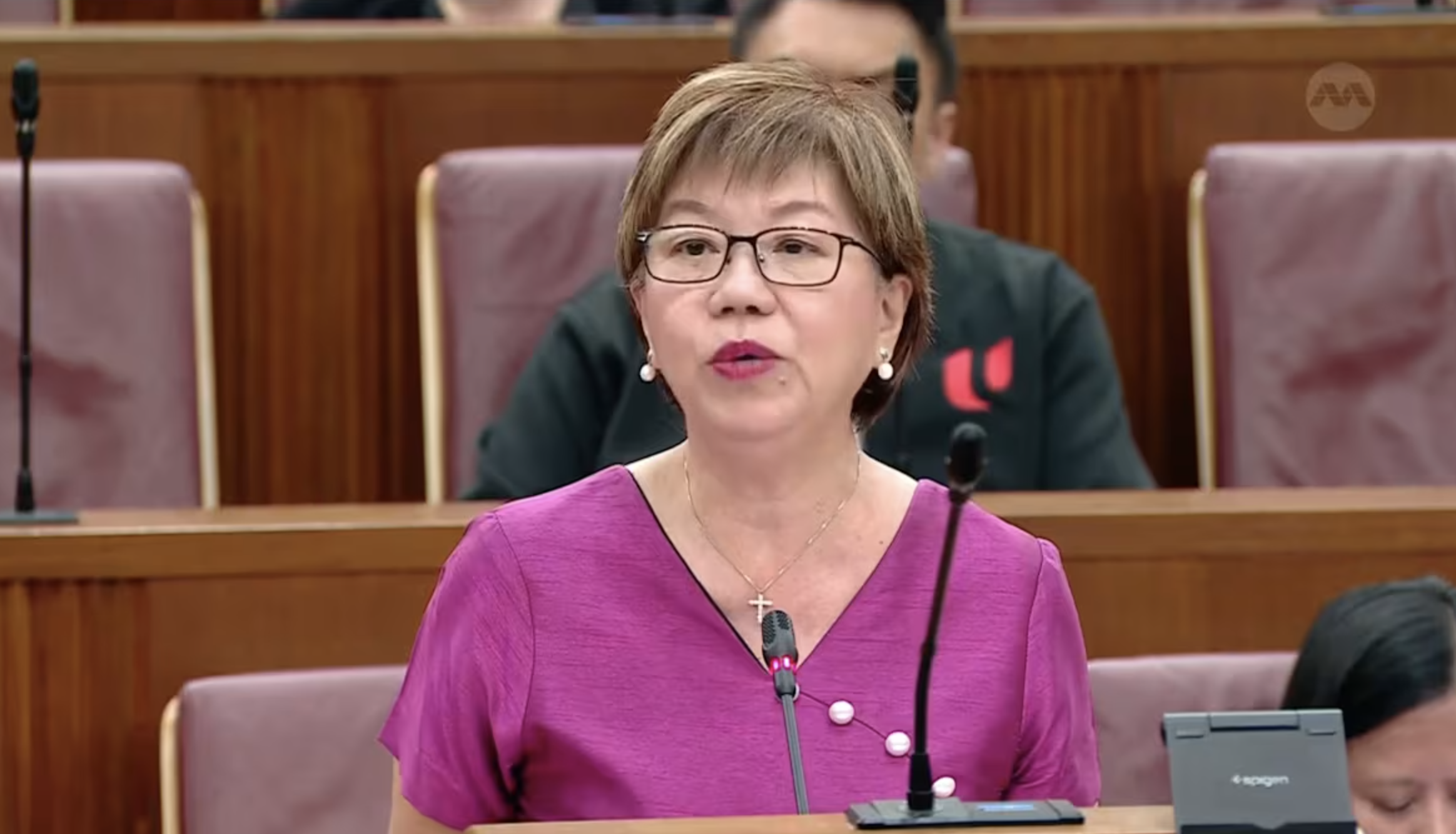
Image credit: CNA
Watch my full speech here: https://www.channelnewsasia.com/watch/committee-supply-2026-debate-day-6-denise-phua-taskforce-persons-disabilities-lifespan-assurance-5973896
Ms Denise Phua Lay Peng (Jalan Besar): Mr Chairman, I thank the Government for appointing the Taskforce on Assurance for Families with Persons with Disabilities (PwDs), chaired by Minister of State Goh Pei Ming.
This task force is timely. Singapore already has a strong national roadmap in the Enabling Masterplan 2030. But there are pressing key concerns of families, particularly about adult life after school. The task force cannot give assurance to these families without addressing these key concerns.
Let me focus on four persistent gaps that the task force should address decisively.
One, on funding reform. Mr Chairman, disability spending today is front-loaded towards childhood while adult services operate under very tight margins even though adulthood can last 60 years or more. We therefore need funding reforms based on a lifespan approach.
One way forward is a two-tier structure. Let us start with the obvious Day Activity Centres (DAC) and residential home models for adults with moderate to high support needs.
First, provide a universal base funding component for every client served by a DAC or residential home. This base amount should be calculated using a realistic norm cost of care, reflecting staffing ratios, programme costs and operational realities. Second, on top of this base, apply a means-tested subsidies to ensure affordability for families who need them.
Service providers, such as the social service agencies, are not naive. If every additional client requires more fundraising, the system becomes unsustainable. Eventually, service providers will withdraw and the Government may have to operate these services directly, which could cost even more.
Funding reform must therefore align care complexity, workforce reality and sustainability.
Gap two, disability employment resilience in an AI economy. Sir, many traditional entry-level roles for persons with disabilities in both blue- and white-collared jobs, such as packing, sorting, basic administrative work and even coding, are replaced by AI-driven automation. If we do nothing, then inclusive hire gains that have been made in our last decade will reverse. We must therefore shift from protecting old jobs to designing new work.
The task force should consider a national disability job redesign fund to support the identification of jobs at risk, surface new jobs in the new economy, redesign workflows to allow PwDs who can contribute and strengthen job-coach capability. Failure to do so intentionally and effectively risks reversing the years of good work that SG Enable, disability partners and inclusive employers had already put in.
Gap three, life planning and post-parental assurance. The most common question families ask is this – what happens when parents lose capacity or die? We therefore should institutionalise life planning and continuity protocols and encourage families to be part of the solution instead of worrying. Planning should be supported, subsidised and normalised. When death or incapacity occurs, the system must respond with speed, coordination and stability.
For families with higher needs, introduce a family life navigator model, similar to the family coach approach in ComLink+.
Just as ComLink+ supports vulnerable families with a dedicated guide across life transitions, a life navigator could help disability families plan school-to-work transitions, housing options, caregiver ageing and long-term care arrangements.
A resilient system empowers and supports families to act early instead of relying solely on the Government.
Lastly, on a thoughtful convergence with mainstream elderly services. Sir, as Singapore ages, disability and ageing will increasingly overlap. The line between disability services and elder care services will blur. Many adults with disabilities face similar challenges as seniors in varying degrees, but at a younger age.
Singapore has built strong community infrastructure for ageing – Active Ageing Centres, Community Care Apartments, home- and community-based care services, even Silver Generation Ambassadors and Healthier SG. If we design a support architecture that connects disability and ageing systems more intelligently and thoughtfully, we reduce duplication, improve outreach and enhance social compact. This is the assurance that families are asking for and the post-school cliff we must level.
Sir, let us be visionary and bold. I wish the task force all its very best.