
On Workplace Fairness Bill 2025
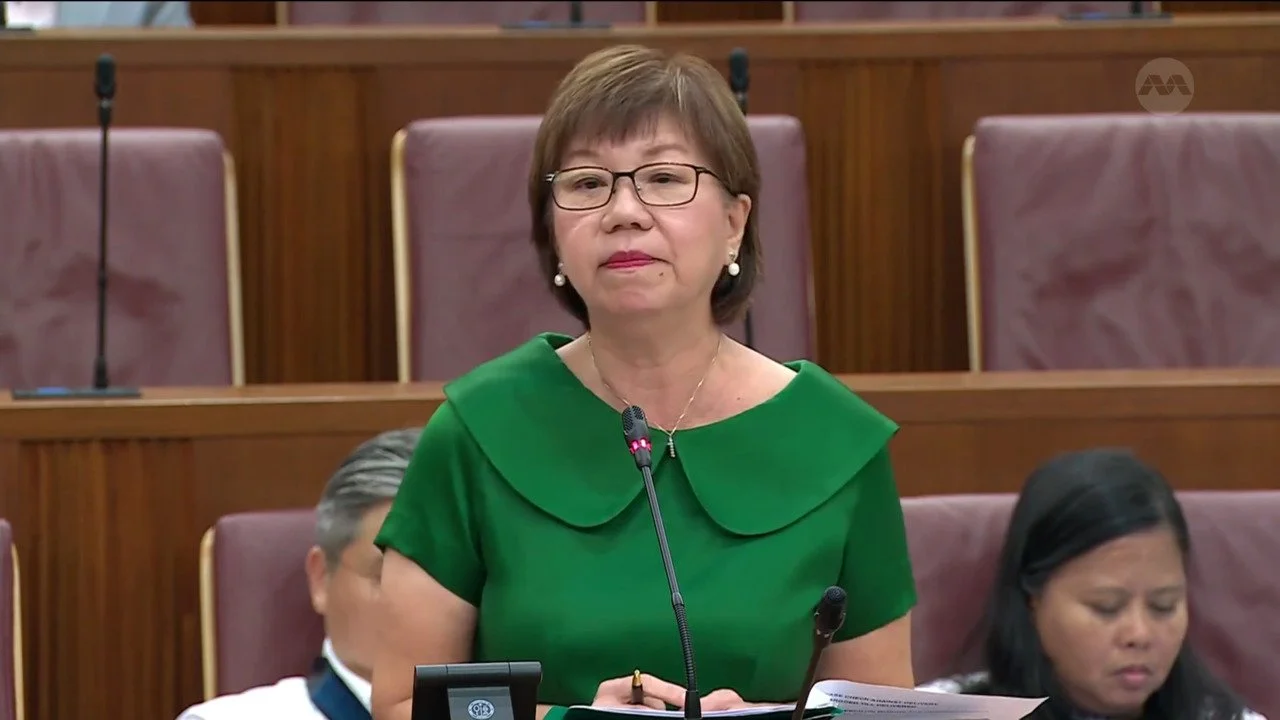
Watch my full speech here: https://www.channelnewsasia.com/watch/denise-phua-workplace-fairness-dispute-resolution-bill-5444636
Image credit: CNA
I spoke in Parliament on the promising Workplace Fairness Bill 2025 and suggested 4 ways to better protect our vulnerable employees.
While it provides a more robust shield against workplace discrimination and a clearer pathway for dispute resolution, I voiced a concern: the Bill, in its current form, does not fully level the playing field for our most vulnerable employees.
The greatest risk is that the law’s protections could remain out of reach for workers with disabilities, those of advanced age, or individuals with low education.
For the Bill to be truly transformative, it must be made accessible, enforceable, and empathetic.
I outlined four key concerns that could prevent vulnerable workers from seeking justice:
An Inaccessible Process for Some: Complex forms and legalistic language can create a daunting maze.
The Tribunal Hurdle: The Employment Claims Tribunal, while intended to be simple, remains a legal forum. Without legal representation, tasks like evidence collection and cross-examination can be overwhelming.
The Pressure of Mediation: Without independent advice, vulnerable workers may feel compelled to accept unfair settlements.
The Burden of Proof: The requirement for the employee to prove discrimination is a steep challenge against a well-resourced employer.
To address these gaps and build a truly accessible Act, I proposed four foundational pillars for improvement:
Pillar 1: Simplify the Path.
We must tear down the wall of complex procedures. Employers should be required to provide grievance procedures in plain language and multiple formats. MOM and TAFEP should design user-friendly complaint forms and visual guides so every worker can confidently take the first step.
Pillar 2: Empower the Voice.
No vulnerable worker should face their employer alone. We should legally entrench the right to a trained, independent advocate—modelled after the UK's "Appropriate Adult" scheme implemented in Singapore too. This advocate would provide crucial support during meetings and hearings, ensuring the worker is heard and the process is fair.
Pillar 3: Mandate Inclusion.
True inclusion requires proactive effort. It is time to legislate the employer's duty to provide reasonable accommodation and recognise a failure to do so as an act of discrimination. We have examples like the baristas with autism (Sahini and Caleb) at The Art Bar and a deaf-blind professional (Siew Ling at Enabling Village ) using braille technology— plus so many examples PwDs and seniors holding jobs out there - proof that with simple accommodations, many can thrive.
After nearly two decades of education, our employers are ready for this next step.
Pillar 4: Prevent Harm.
A fair system should stop discrimination before it happens. We should mandate medium and large employers to conduct regular Workplace Fairness Audits, reviewing hiring and promotion practices. This builds a culture of transparency and trust, making disputes a last resort.
I ended my speech by affirming my support for this historic Bill, but also saying that its ultimate success will depend on the supportive ecosystem we build around it.
Without these complementary measures, we risk creating a channel that only the most resilient can navigate. This law can become a powerful tool for justice for every worker in Singapore.