
Supporting SMEs to Grow and Thrive
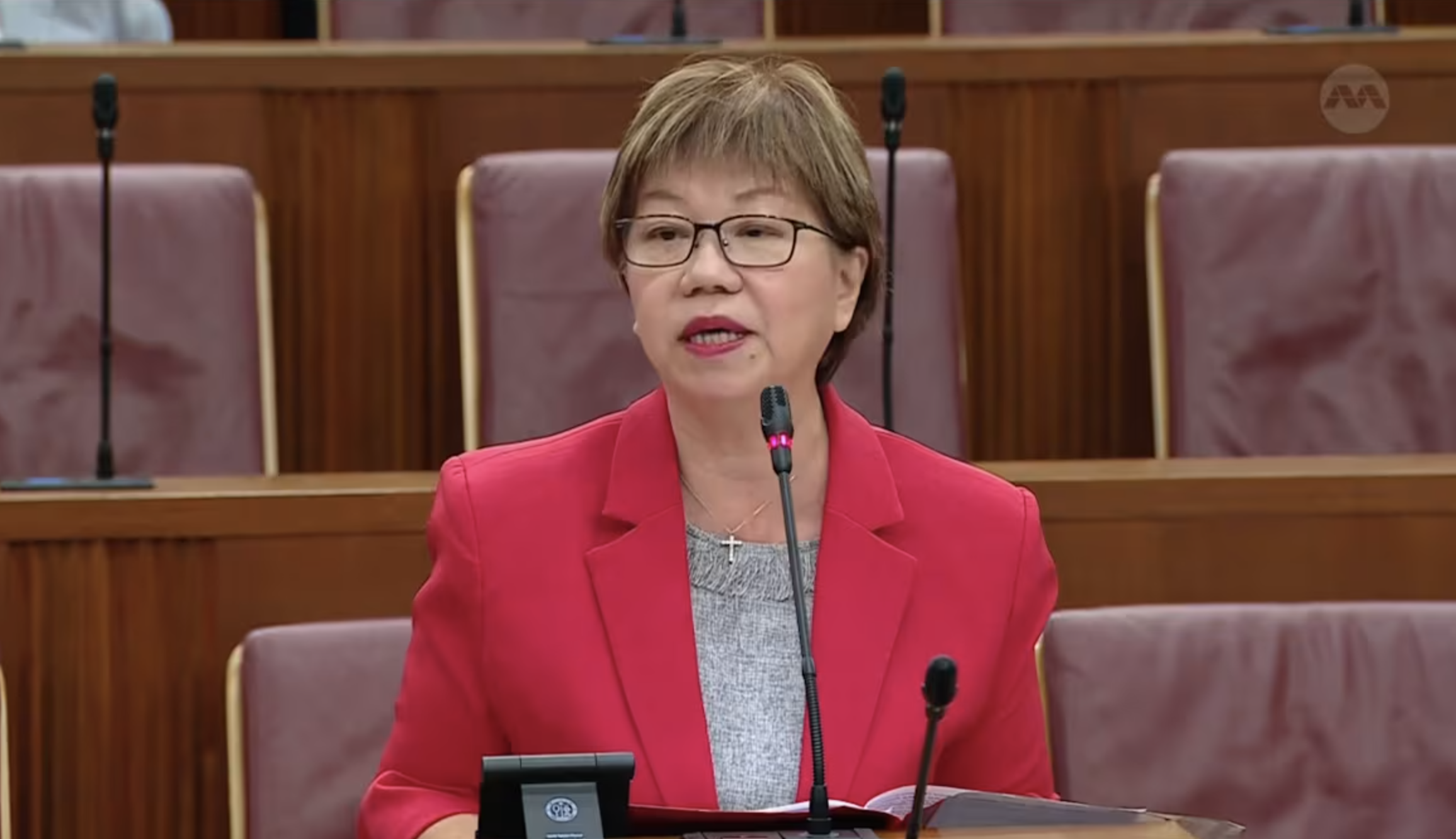
Image credit: CNA
Watch my full speech here: https://www.channelnewsasia.com/watch/committee-supply-2026-debate-day-3-denise-phua-supporting-smes-grow-and-thrive-5963171
Ms Denise Phua Lay Peng (Jalan Besar): Chairman, on helping our SMEs grow and thrive. Singapore is not short of schemes. We have advisory support, such as CTO-as-a-Service; intermediaries like the Singapore Business Federation, SME Centres and ASME; platforms like GoBusiness; the Productivity Solutions Grant and the Enterprise Development Grant, even AI Centres of Excellence.
On paper, the ecosystem looks comprehensive. SMEs can be segmented by digital maturity and sector. They can access advice on human resources, marketing, finance and operations. Yet outcomes remain uneven. Many SMEs are still struggling; not just to transform but to stay afloat.
From industry conversations, three structural challenges emerge.
First, bandwidth. Owners are consumed by rent, manpower, compliance and cashflow issues. Transformation requires time and focus. Many simply do not have that headspace.
Second, capability depth. Diagnostics can identify gaps, but implementation requires managers who can redesign workflows, integrate systems, manage change and measure returns. Many SMEs lack this internal execution capability.
Third, structural fragility in certain sectors. In F&B especially, margins are thin and volatility is high. Entry barriers remain however relatively low, yet closure rates are high. Many enter without fully appreciating labour intensity, rental volatility and tight margins. Even with grants, a fragile cost base makes transformation daunting.
Sir, another perspective is this: not all SMEs are equally positioned to transform at the same pace. Some are willing but lack capability. Some are capable but constrained by structure. Some may not yet be ready.
In a resource-constrained environment, should we more deliberately prioritise SMEs that are willing and able, or potentially able, to scale, to innovate and uplift productivity meaningfully? Can we develop clearer readiness indicators, so that support is more disciplined and catalytic? At the same time, how do we avoid leaving behind firms that require capability-building before they can qualify for deeper transformation support?
We have built platforms, provided grants and created segmentation tools. Yet the implementation gap persists.
So, I ask: do we need more precise industry segmentation, not just by size or digital maturity, but by structural conditions? Are we investing enough in building internal execution capability and upgrading the capability of intermediaries who advise SMEs? Can we introduce measures that free up leadership bandwidth for strategic upgrading? Are we confronting structural fragility in sectors like F&B, so new entrants can assess their viability more realistically? And most importantly, how do we help SMEs move beyond digital adoption to sustained, measured productivity growth, especially those with intent and potential to compete?
In the AI era, survival and superficial adoption are not enough. Transformation must be real. So, how will the Government help bridge this implementation gap, so that our SMEs can truly thrive?