
Education Arms Race
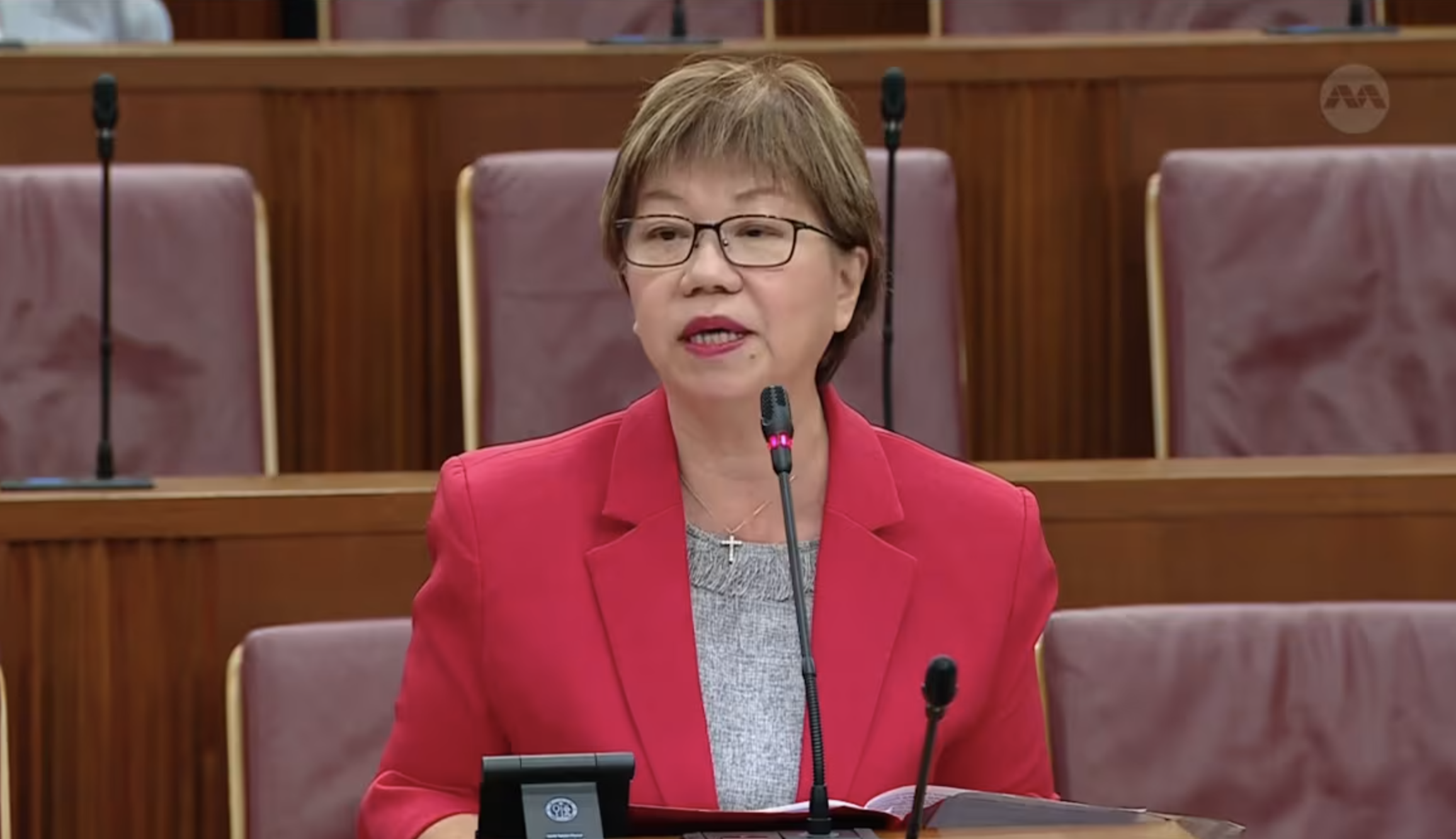
Image credit: CNA
Watch my full speech here: https://www.channelnewsasia.com/watch/committee-supply-2026-debate-day-3-denise-phua-singapores-education-arms-race-5963906
Ms Denise Phua Lay Peng (Jalan Besar): Sir, the education arms race in Singapore is real and it now has three fronts.
First, the PSLE. MOE's move from T-scores to achievement levels was thoughtful and reduced fine differentiation. But when families still believe that performance at age 12, Primary 6, influences access to certain secondary schools and future pathways, they will still invest more time, more effort and money to secure an advantage.
In 2023, households spent $1.8 billion on private tuition. The top 20% spent more than four times what the bottom 20% did. When stakes are concentrated, pressure and spending concentrate. That is the dynamic of an arms race.
The second race: Direct School Admissions (DSA). DSA was designed to broaden definitions of success and its intention is right. But admissions rose from about 3,500 in 2019 to about 4,400 in 2023, around 11% of the cohort. Applications have surged with 38,000 in 2023. When DSA becomes another prized gateway, families respond with earlier coaching and curated portfolios. We now risk running two races, an academic race through PSLE and a portfolio race through DSA.
Third, the AI acceleration. In an AI-disrupted world, careers will shift multiple times and skill upgrading must be continuous over life. AI tools can now personalise practice and provide instant feedback. But many advanced tools are subscription-based or require strong home support. If unmanaged, AI becomes the new tuition and the arms race becomes digital.
Why does dismantling this arms race matter? Some argue that as long as employers value academic credentials, then competition is inevitable. But labour market norms will not shift overnight. Our education policy therefore must respond now. In an AI-driven world, success will depend less on early sorting and more on adaptability, deep thinking and lifelong learning habits. These cannot be built in a sprint to age 12.
What should we do? First, refine DSA so it broadens opportunity rather than amplifies preparation advantage – through structured outreach, authentic school-based nominations, and clearer criteria to reduce portfolio gaming.
Second, make AI a national equaliser – guarantee baseline access in schools, teach AI literacy, and shift assessments toward reasoning and authentic application.
But this may not be enough. MOE should consider a carefully safeguarded, voluntary 10-year through-train pilot from Primary 1 to Secondary 4. Under such a pilot, standards remain aligned with national expectations, students graduate with recognised qualifications such as the GCE, mobility and transfer options are preserved, and subject-based banding can start at an earlier age and deploy teachers according to the needs of the students using a “flexible class size” model instead of a “universal small class size” model. Not small classes everywhere, but right-sized classes, flexible and fit for purpose. Evaluation should examine academic performance, student well-being, tuition reliance and socio-economic mobility. Scaling should be considered if outcomes are at least as strong, with reduced pressure.
Sir, we do not have a weak system. But there is urgency in building an education system ready for a very different future, one centered on lifelong learning, adaptability and strong character. Dismantling the PSLE, DSA and AI-driven arms race is only the beginning of redesigning education for the long race ahead.